


The Rise of Fashionable Scrubs: How Healthcare Apparel Became a Style Statement.
Previously, healthcare personnel had few options for attire. Scrubs were traditionally basic, boxy, and only practical. However, over time, medical uniforms have evolved to combine comfort, functionality, and style. Scrubs are no longer just necessary for work; they’ve evolved into a fashion statement and a method for healthcare personnel to express themselves while remaining professional.
From Function to Fashion.
Modern scrub companies prioritize high-quality fabrics that are lightweight, breathable, and flexible, allowing for extended comfort. Tailored fits, flattering cuts, and wrinkle-resistant designs have transformed the way scrubs look and feel. Healthcare professionals now enjoy tailored clothing rather than one-size-fits-all.
Comfort Meets Design.
Modern scrub manufacturers emphasize high-quality textiles that are lightweight, breathable, and elastic, allowing for extended periods of comfort. Scrubs now offer tailored fits, appealing cuts, and wrinkle-resistant
designs that improve their appearance and feel. Healthcare personnel now enjoy clothing that feels tailored to them rather than one-size-fits-all.
Colors, Prints, and Personality.
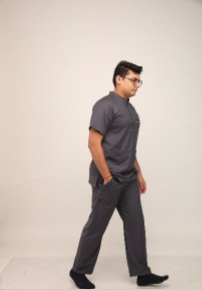
Gone are the days of basic blue and green. Fashion-forward scrubs are now available in a variety of colors, patterns, and motifs. Healthcare personnel can select scrubs that reflect their personality, ranging from joyful floral motifs to elegant monochrome. Bright colors promote morale, whereas minimalist designs give a polished, professional impression.
The Influence of Lifestyle and Pop Culture.
Scrub designs have been impacted by the growing popularity of athleisure and work-leisure apparel. Scrubs now include sporty silhouettes, jogger-style bottoms, and fashionable necklines, much like yoga pants and joggers did when they became popular clothing. By featuring medical heroes in stylish, contemporary scrubs, television programs like Grey’s Anatomy and The Good Doctor have also contributed to the glamorization of medical clothing.
Beyond the Hospital Walls.
Stylish scrubs are no longer exclusive to hospitals and clinics. Many brands advertise scrubs as multifunctional workwear that may be worn in a medical context or casually. Thanks to features like several pockets, antibacterial fabric, and easy-care features, scrubs are fusing everyday style with usefulness.
Empowering Healthcare Professionals.
More than just apparel, fashionable scrubs provide healthcare professionals more self-assurance and raise their spirits. Professionals feel better when they look well, and that positive energy is transferred to patient care. Even a minor style change can have a significant impact in a career that requires a lot of emotional fortitude and long hours.
Conclusion.
The emergence of stylish scrubs is indicative of a broader change in the mentality surrounding workwear: style need not be sacrificed for functionality. Scrubs will continue to be a representation of professionalism and individuality as healthcare clothing develops, demonstrating that style can be found even in the most hectic settings.
Why the Right Scrubs Matter: Comfort, Fit, and Functionality
In the demanding world of healthcare, every second counts — and so does what you wear. Scrubs are more than just uniforms; they’re your second skin during long shifts, emergency calls, and critical procedures. At Medielite, we believe the right scrubs should do more than meet hospital dress codes — they should support you, move with you, and keep you comfortable all day.
1. Comfort Isn’t a Luxury — It’s a Necessity
Healthcare workers are on their feet for 8 to 14 hours a day — sometimes longer. Ill-fitting, stiff, or scratchy fabric adds to the strain. That’s why comfort should never be compromised.
What to look for in comfortable scrubs:
- Soft, breathable fabric that allows airflow and keeps you cool
- Moisture-wicking materials that absorb sweat during long hours
- Flexible, stretchable weaves that move with your body
At Medielite, we use skin-friendly, performance fabrics designed to minimize chafing, reduce overheating, and stay fresh through every shift — no matter how intense.
2. Fit That Moves With You
A good fit isn’t just about looking sharp (though that helps with confidence) — it’s about mobility. Poorly designed scrubs can restrict movement, bunch up, or ride down when you’re reaching, bending, or assisting patients.
Key fit features to consider:
- Tailored silhouettes that offer shape without tightness
- Stretch panels or ergonomic cuts for natural movement
- Side slits, elastic waists, or drawstrings for adjustable comfort
Medielite scrubs are designed with real medical movement in mind — whether you’re in an ICU or an OR, you’ll feel secure and mobile, all shift long.
3. Functionality That Supports Your Workflow
Scrubs are workwear. That means they should help you do your job — not get in the way of it. From stashing essentials to staying clean in critical environments, smart design matters.
Must-have functional features include:
- Multiple, well-placed pockets for tools, pens, notes, and sanitizers
- Badge loops or ID holders for convenience
- Durable stitching and fabrics that withstand frequent washes
- Antimicrobial finishes for added hygiene (bonus!)
At Medielite, every stitch has a purpose. Our scrubs combine form and function, so your uniform is always working for you — never against you.
4. Confidence Comes from What You Wear
Looking good isn’t about vanity — it’s about showing up with confidence. When your scrubs fit right, feel good, and perform well, you can focus on your patients, not your outfit.
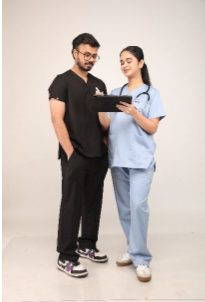
Plus, coordinated sets in modern colors (like our signature #7635af) and flattering fits help unify teams and boost morale.
5. Final Thoughts
You give your all every day — and your uniform should give something back. The right scrubs offer more than appearance; they provide comfort, movement, and support, empowering you to focus on what really matters: caring for others.
At Medielite, we’re proud to design scrubs that work as hard as you do.
Explore our scrub collection designed for real healthcare heroes. #WearWithPurpose | #Medielite


The History of Medical Garments – From Tradition to Modern Scrubs
Medical clothing have had a remarkable evolution throughout the centuries, from traditional symbolic apparel to today’s efficient, hygienic scrubs. Each level represents changing perspectives on medicine, hygiene, and professionalism.
1. Ancient and Medieval Roots
Priestly and Healer Attire: In ancient societies, healers frequently donned clothing that represented spirituality rather than medical expertise. Priests, shamans, and herbalists wore robes or ceremonial clothes to symbolize their function as intermediaries between divine powers and health.
Medieval Europe: During the Black Death in medieval Europe, physicians donned long dark gowns, which were frequently accompanied by the distinctive plague doctor attire. The beaked masks, stuffed with plants, were designed to shield them from “miasmas,” or bad air.
2. The Birth of Professional Uniforms (18th – 19th Century)
Surgeons in Street Clothes: Until the mid-1800s, surgeons frequently operated in daily
clothing, occasionally with a simple apron. Hygiene was not yet a priority.
Rise of Sterilization: Following Joseph Lister’s promotion of antiseptic treatments in the late nineteenth century, white coats and aprons became more popular as a statement of cleanliness and professionalism.
Nurses’ Uniforms: Inspired by Florence Nightingale, nursing apparel became standardized: long skirts with aprons, caps, and cuffs that symbolized both discipline and care.
3. Early 20th Century – The White Era
Doctors and nurses increasingly wore all-white uniforms as a symbol of sterility, purity, and trust. The white coat became an enduring symbol of medical authority. However, the brightness and discoloration of white clothes presented practical issues, particularly in operating rooms.
4. The Rise of Surgical Greens and Blues (Mid-20th Century)
By the 1940s and 1950s, surgeons were wearing green or blue clothing instead of white. These
hues minimized eye strain under bright surgical lights and improved bloodstain concealment. The concept of specialized surgical attire—sterile gowns, hats, and masks—became common practice.
5. The Birth of Scrubs (1960s–1980s)
Scrubs, named from the act of “scrubbing in” before surgery, were originally two-piece clothes consisting of short-sleeved shirts and drawstring pants. Scrubs swiftly moved from surgery to general hospital use, as they were designed for comfort, ease of laundering, and hygiene. Scrubs have become the standard medical uniform for nurses, doctors, and technicians.
6. Modern Scrubs – Function Meets Fashion
Today’s scrubs strike a balance between usefulness, safety, and identification. They are: Color-coded to denote duties (for example, nurses, surgeons, and pediatric personnel). Made with innovative antibacterial, breathable, and stain-resistant materials.
Designed with comfort in mind, including customized fits and many pockets. Scrubs have even become a means of self-expression, with patterned designs, bright colors, and branding that reflect hospital culture.
7. The Future of Medical Garments
With advancements in smart fabrics, we might eventually see scrubs that monitor vital signs, control temperature, or deliver real-time data. Sustainability is also driving innovation, as eco-friendly fabrics become increasingly fashionable.

 Verified owner